-
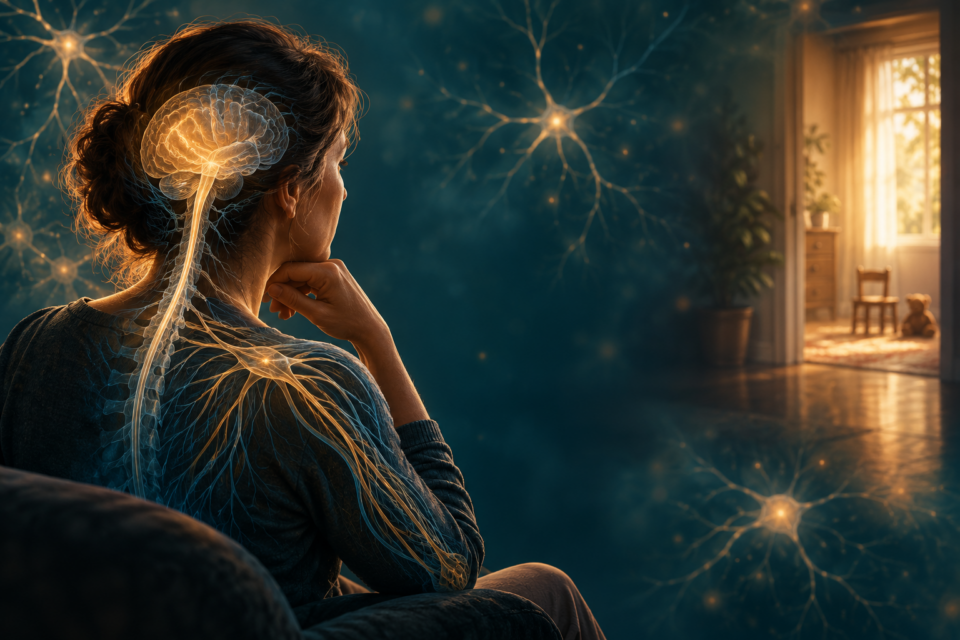
ALS and Undiagnosed Trauma: A Question Worth Investigating?
Could undiagnosed trauma be one of the quiet threads woven into ALS? An honest look at the evidence, Emotional Memory Images, and what whole-person care could offer, alongside neurological care, never instead of it.
/
-
Your Survival System Did Its Job Too Well
Blog 5 of 5 · From the Cell to the Person “Not ‘what’s wrong with me?’ but ‘what happened to me?’” Matt Hudson Have you ever wondered why you can forget where you put your keys five minutes ago, yet remember a moment of embarrassment from thirty years back in full colour? It isn’t a…
/
-
Healing Without the Story
Blog 4 of 5 · From the Cell to the Person “You didn’t have to tell me. Your body did the talking.” Matt Hudson What if you never had to tell anyone what happened to you? Not your therapist. Not your partner. Not even yourself. What if healing trauma meant clearing the weight of it…
/
-
Beliefs Are the Symptom; the Image Is the Source
Blog 3 of 5 · From the Cell to the Person “Problems are not the problem; coping is the problem.” Attributed to Virginia Satir Have you ever had a smoke alarm go off while you were simply making toast? There’s no fire. You know there’s no fire. You can see the toast; it’s barely golden!…
/
-
Why Affirmations Don’t Work (And What Does)
Blog 2 of 5 · From the Cell to the Person “When I let go of what I am, I become what I might be.” Attributed to Lao Tzu How many times have you stood in front of a mirror and told yourself, “I am enough”? Ten times? A hundred? Every morning for a month,…
/
-
Lipton Explained Why. Here’s How.
Blog 1 of 5 · From the Cell to the Person “Thought defines who you are today and can sabotage who you could be tomorrow.” Matt Hudson Have you ever read a book that changed the way you saw yourself… and then closed it, put it back on the shelf, and carried on exactly as…
/
-

Functional Neurological Disorder: Could Undiagnosed Trauma Be the Hidden Driver?
Seizures, tremor, weakness, and every scan clear? I explore how undiagnosed trauma, the Emotional Memory Image and the nervous system’s protective wiring may sit behind Functional Neurological Disorder, and where healing can begin.
/
-

We’re losing 338 spoken words a day. Here’s what it’s doing to your body
A wound that wouldn’t heal, a wrong-number phone call, and the twenty-year decline in how much we actually talk. Freedom To… Be Analogue.
/
-

How Undiagnosed Trauma Becomes Dis-ease: What Your Body Remembers That Your Mind Forgot
Why does your body keep the score when your mind forgets? Where is that score kept? And how do you get it to stop?
/
-
Why He Deleted Twenty Years
On the marriages that end with no event, the man who genuinely doesn’t know what he did, and a thirty-second experiment that explains both.
/
-
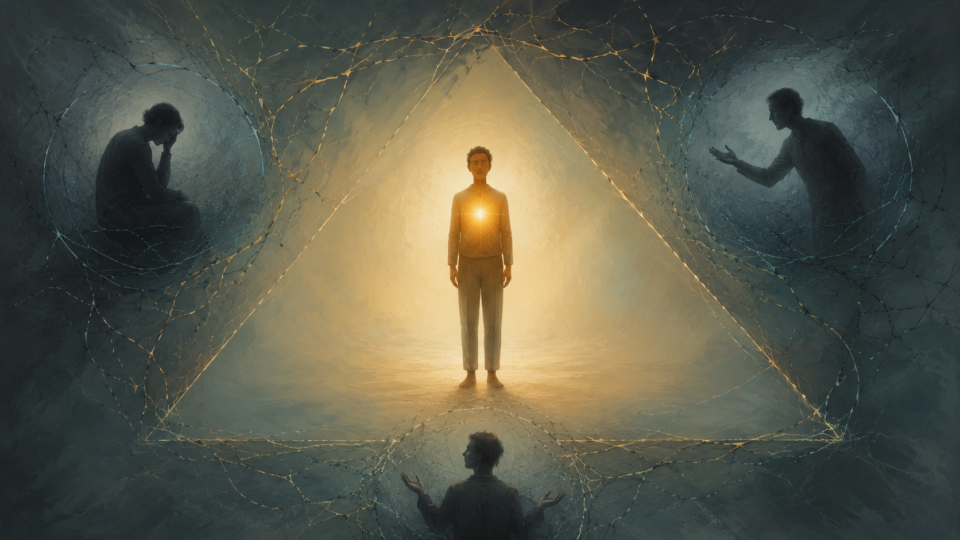
Coercive Control: The Hidden Mechanism Behind the Fox
Coercive control is not a personality, it is a mechanism: two hidden Family Rules that lock together. Matt Hudson on the fox, the full stop, the Drama Triangle, and the fourth position at the centre.
/
-
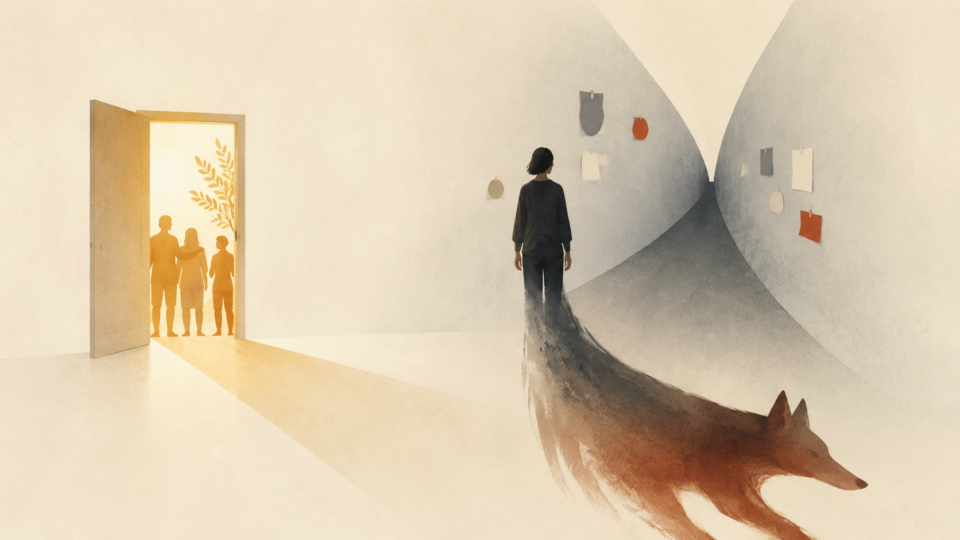
Spot the Fox: How Good People Disappear Inside a Relationship
On hidden Family Rules, the invisible leash, and why shouting at someone you love only ever makes it worse.
/
-
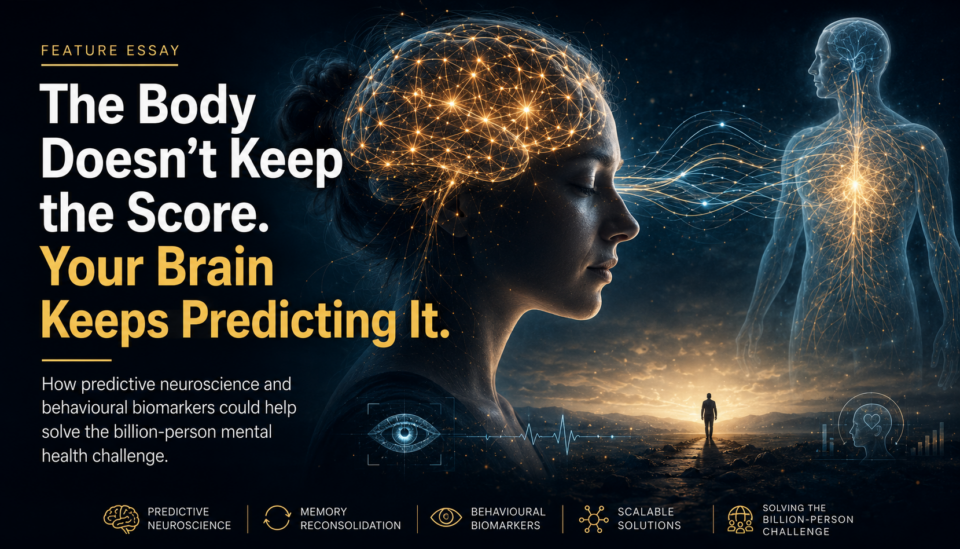
The Body Doesn’t Keep the Score. Your Brain Keeps Predicting It.
How predictive neuroscience and behavioural biomarkers could help solve the billion-person mental health challenge. For more than a decade, one sentence has quietly shaped the way the world thinks about trauma. The body keeps the score. It has become more than the title of an influential book. It has become a cultural truth. Therapists repeat…
/
-
Beyond the Cell: Could Memory Exist in the Human Information Field?
What if Bruce Lipton is right that cells store information—but he’s only seeing part of the picture? For decades, neuroscience has searched for memory inside the brain. Bruce Lipton expanded the search to the cell membrane. Rupert Sheldrake proposed that memory may exist within morphic fields. Donald Forsdyke went further still, suggesting that memory may…
/
-
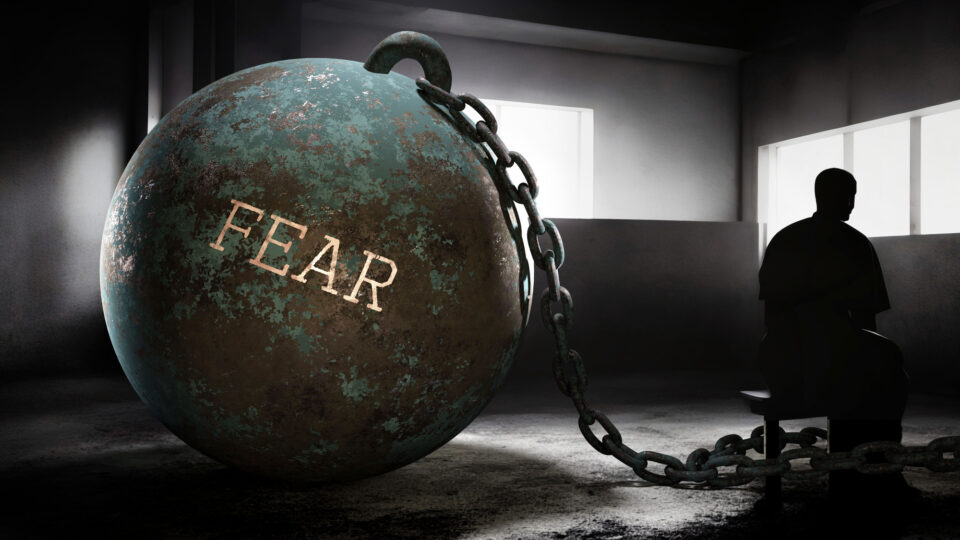
Are You Brave Enough to Be Well?
Have you ever stopped to consider why you might fear genuine wellness more than remaining unwell? This article reveals why individuals hold onto illness via hidden Emotional Memory Images—those profound emotional imprints that form a pain-rooted identity. Explore the courage needed to release these imprints, dismantle typical excuses such as “It’s simply who I am,”…
/
-
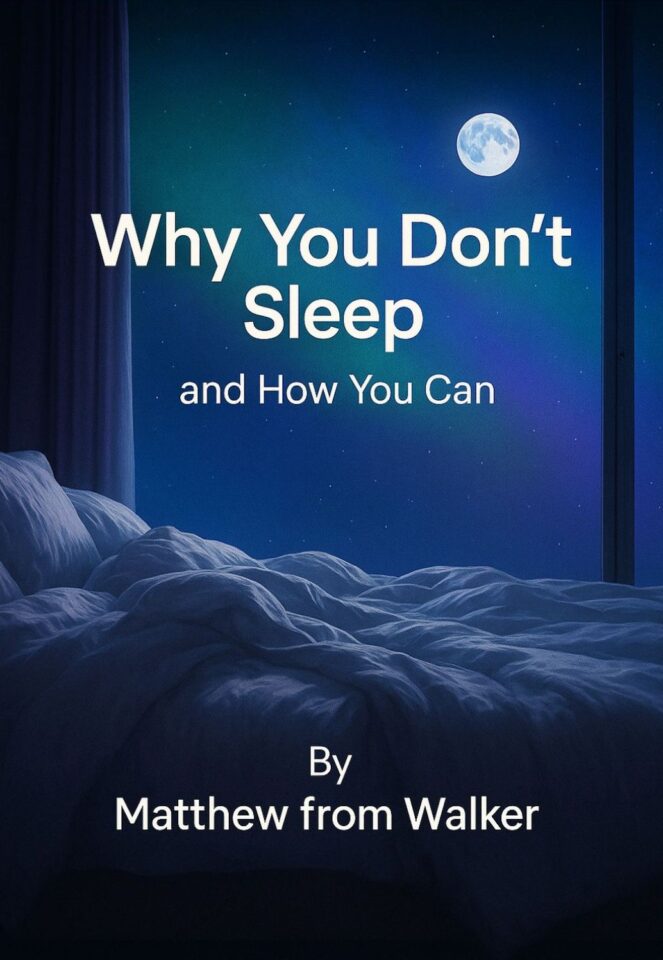
Why You Don’t Sleep and How You Can
Sleep should be the safest place in the world. A nightly homecoming. A reset. A repair. A quiet reunion with ourselves. Yet millions lie awake each night, exhausted but wired — replaying conversations, tightening their breath, feeling an unease they can’t explain. Some wake repeatedly. Others wake gasping. Others never reach the depth of sleep…
/
-

A Perspective on Adversity, Emotional Memory Images and Pre-Sleep Arousal in Sleep Disorders
By Matt Hudson and Dr. Nazish Chaudhary Abstract One of the vital body processes in human beings is sleep. The quality and quantity of sleep have a crucial role to play in a person’s wellbeing. Mental health, cognitive performance, and physiological immunity depend on adequate sleep. People with mental health conditions such as post-traumatic stress…
/
-
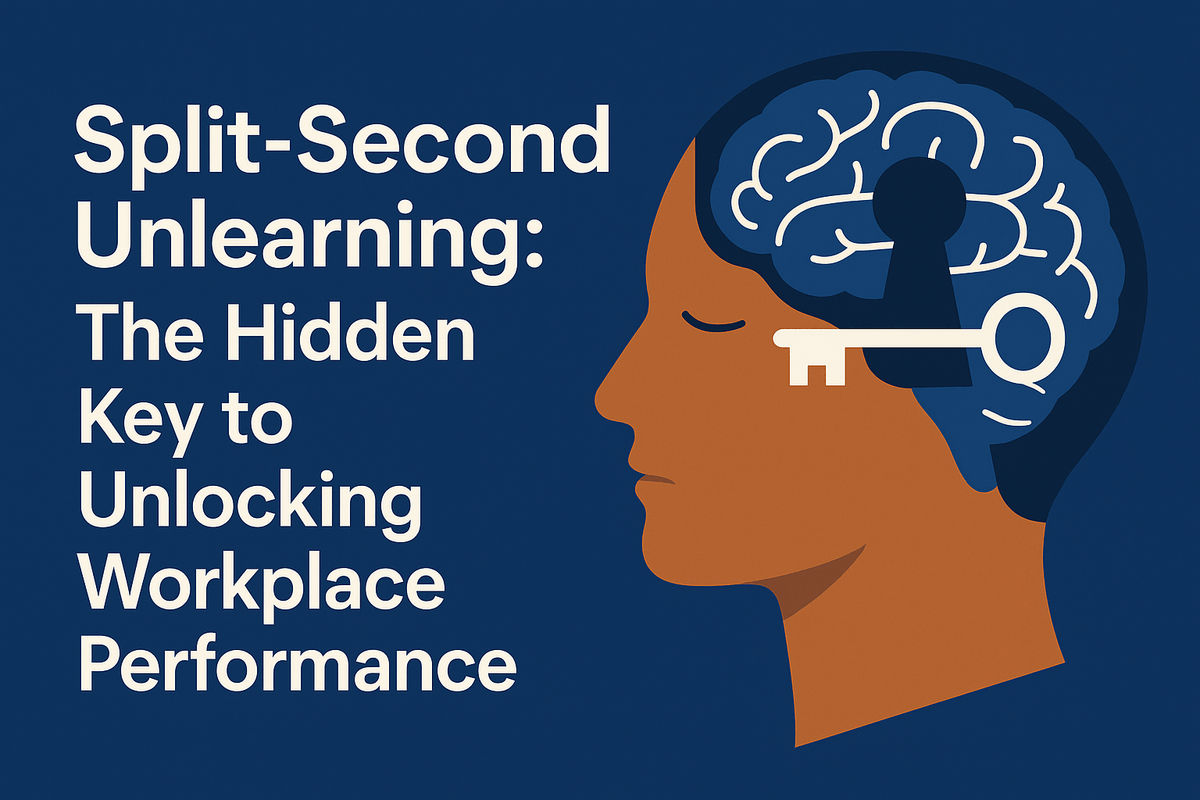
Split-Second Unlearning: The Hidden Key to Unlocking Workplace Performance
Is the. Workplace becoming and Emotional Minefield? In the modern workplace, pressure is often framed as a matter of productivity. We talk about deadlines, time management, and communication skills as if stress were simply a scheduling issue. But look more closely, and another layer emerges. Beneath strained relationships, low morale, or poor decision-making often lies…
/
-
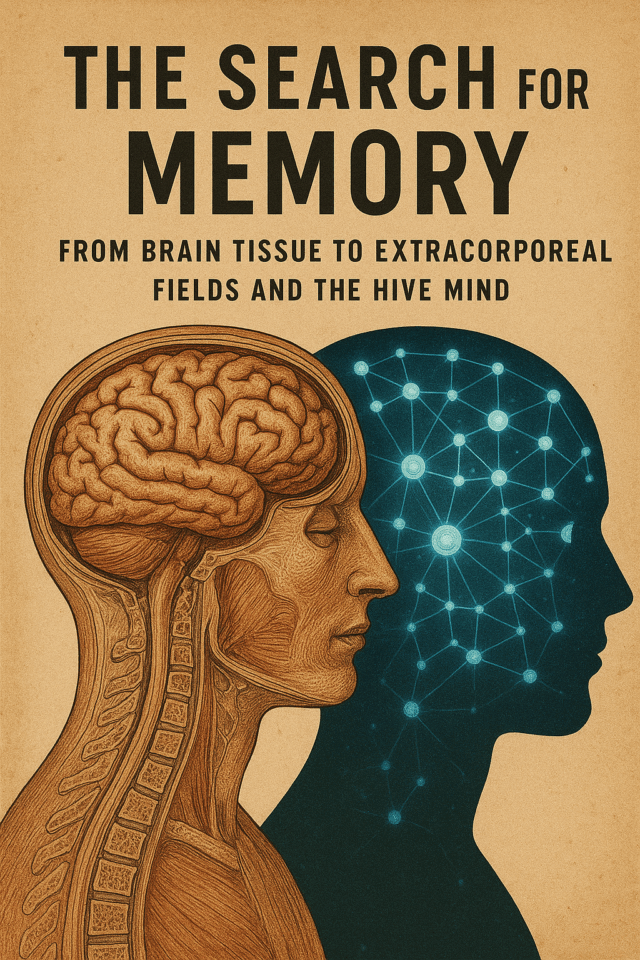
The Search for Memory: From Brain Tissue to Extracorporeal Fields and the Hive Mind
Introduction: The Great Memory Puzzle For more than a century, neuroscience has been chasing memory like a mirage. We can measure its traces, manipulate its correlates, even describe the molecular changes that accompany learning, but no one has ever pulled a memory out of a neuron and said, “Here it is.” This puzzle has haunted…
/
-
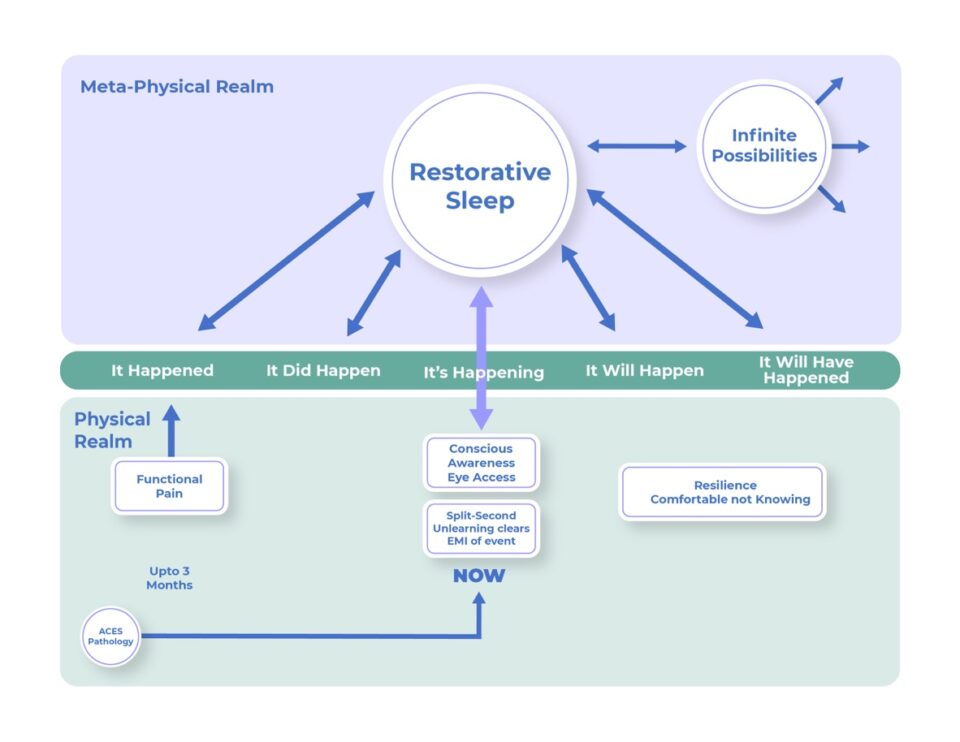
Could Emotional Memory Images Disturb Sleep and Drive Pain?
Sleep is one of the most vital physiological processes human beings undertake, playing a crucial role in physical and mental health, cognitive function, and immune regulation[i]. The quality and quantity of sleep significantly impact overall well-being, yet many individuals struggle with sleep disturbances, often without understanding the underlying cause. Those with mental health conditions such…
/
