-
Split-Second Unlearning: The Hidden Key to Unlocking Workplace Performance
Is the. Workplace becoming and Emotional Minefield? In the modern workplace, pressure is often framed as a matter of productivity. We talk about deadlines, time management, and communication skills as if stress were simply a scheduling issue. But look more closely, and another layer emerges. Beneath strained relationships, low morale, or poor decision-making often lies…
/
-
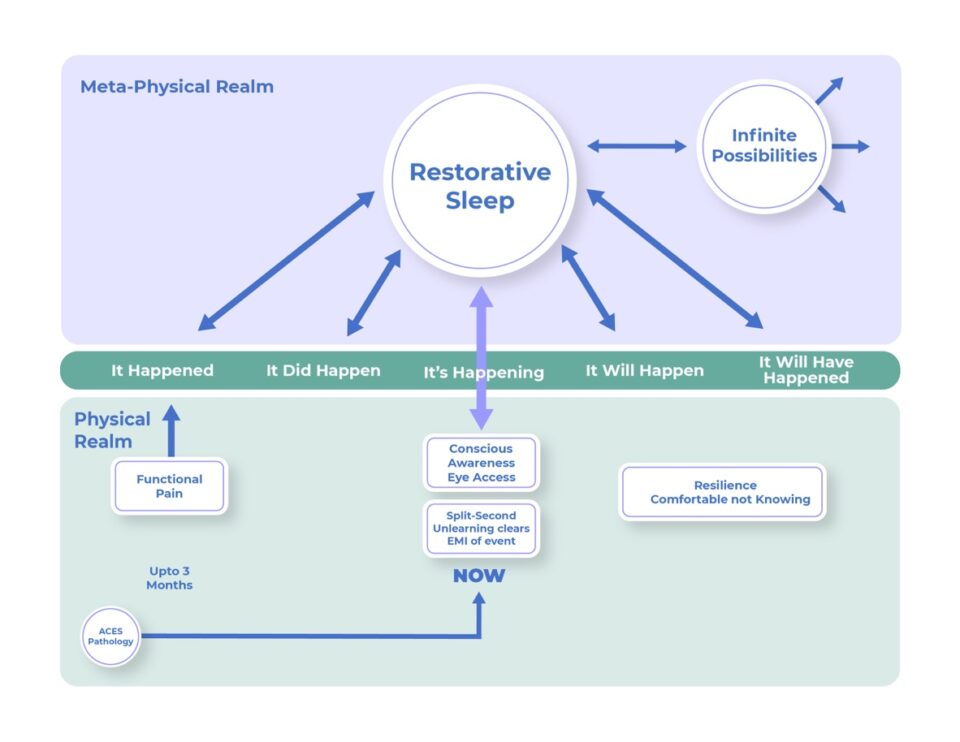
Could Emotional Memory Images Disturb Sleep and Drive Pain?
Sleep is one of the most vital physiological processes human beings undertake, playing a crucial role in physical and mental health, cognitive function, and immune regulation[i]. The quality and quantity of sleep significantly impact overall well-being, yet many individuals struggle with sleep disturbances, often without understanding the underlying cause. Those with mental health conditions such…
/
-

Neglect: A Moment Missed, A Lifetime Imprinted. How Split-Second Unlearning Offers a Paradigm Shift in the Treatment of Childhood Emotional Neglect
Childhood emotional neglect (CEN) is often a silent trauma, difficult to detect, harder to define, and routinely ignored in mental health practice. Unlike abuse, which leaves bruises that can be seen or scars that can be documented, neglect is the absence of what should have been: warmth, presence, mirroring, and emotional attunement. The impact? Subtle…
/
-

Could psychophysiological dis-ease be a result of an undiagnosed trauma?
Psychophysiological dis-ease refers to conditions related to psychophysiology where psychological factors, such as stress, influence physiological functioning, often resulting in ailments like hypertension, tension headaches, and ulcers. Understanding the role of trauma, whether acute, chronic, or developmental, is crucial. Unresolved or undiagnosed trauma can significantly impact mental and physical health. The connection between trauma and…
/
-
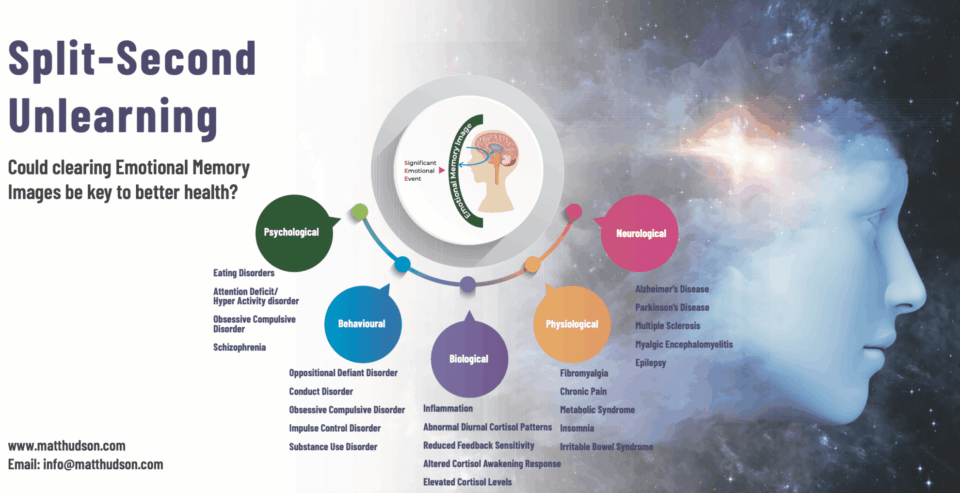
Conditions Treated by Split-Second Unlearning
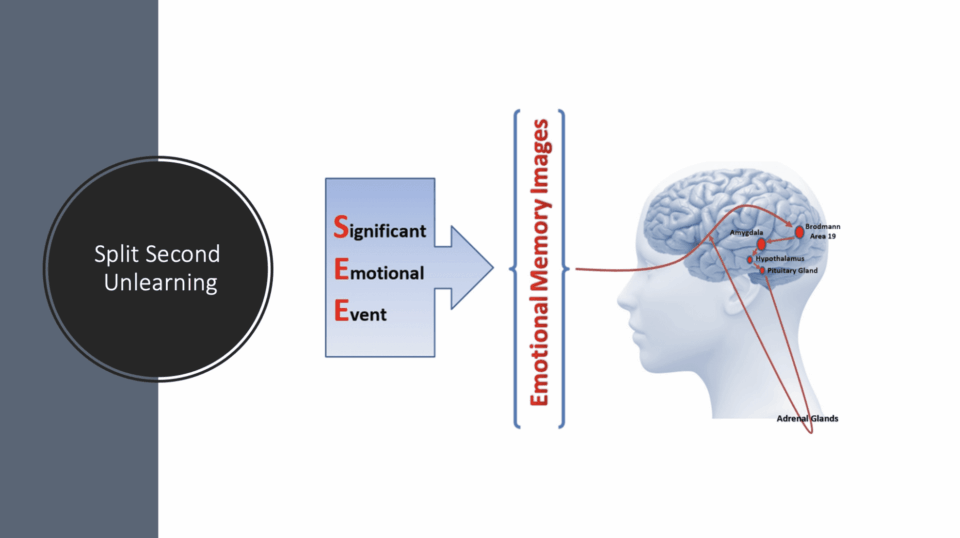
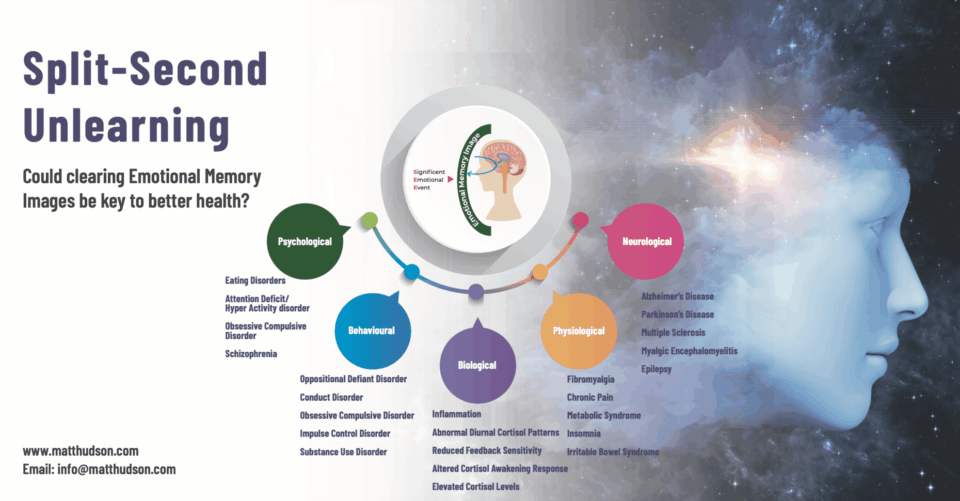
A list of some of the conditions that have been successfully treated using Split-Second Unlearning Split-Second Unlearning (SSU) is a therapeutic approach proposed by Hudson and Johnson to address psychophysiological disorders by targeting Emotional Memory Images (EMIs) formed through traumatic or significant emotional events. These EMIs are believed to trigger chronic psychophysiological stress responses, contributing…
/
-
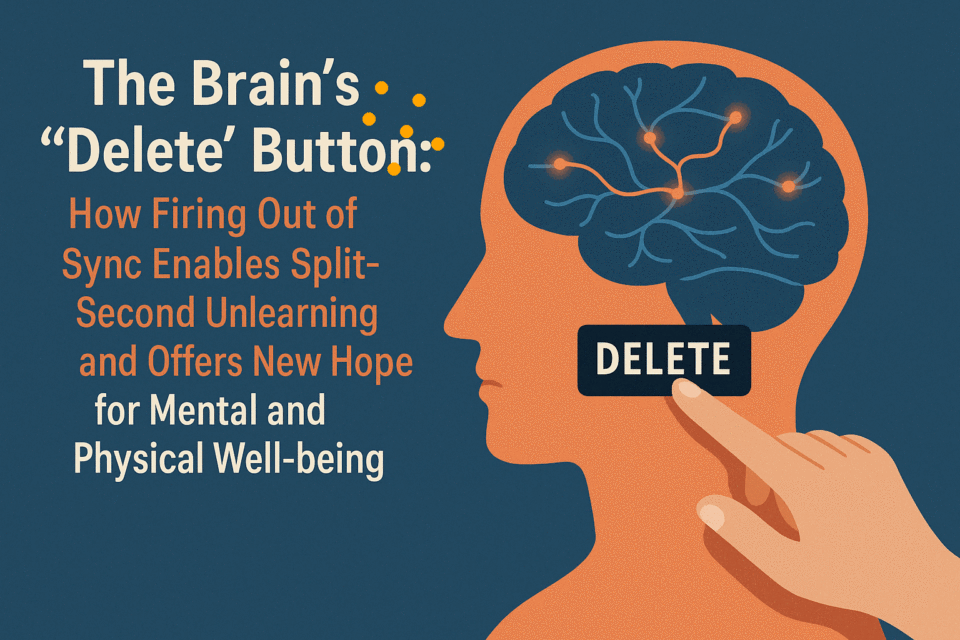
The Brain’s “Delete” Button: How Firing Out of Sync Enables Split-Second Unlearning, Offering New Hope for Mental and Physical Well-being
For decades, we’ve understood that the brain learns by strengthening connections between neurons that fire together – Hebb’s famous learning rule. This “cells that fire together, wire together” principle has been the bedrock of our understanding of learning and memory[i]. However, new research[ii] is revealing a complementary and equally crucial mechanism: a neural “delete” button…
/
-
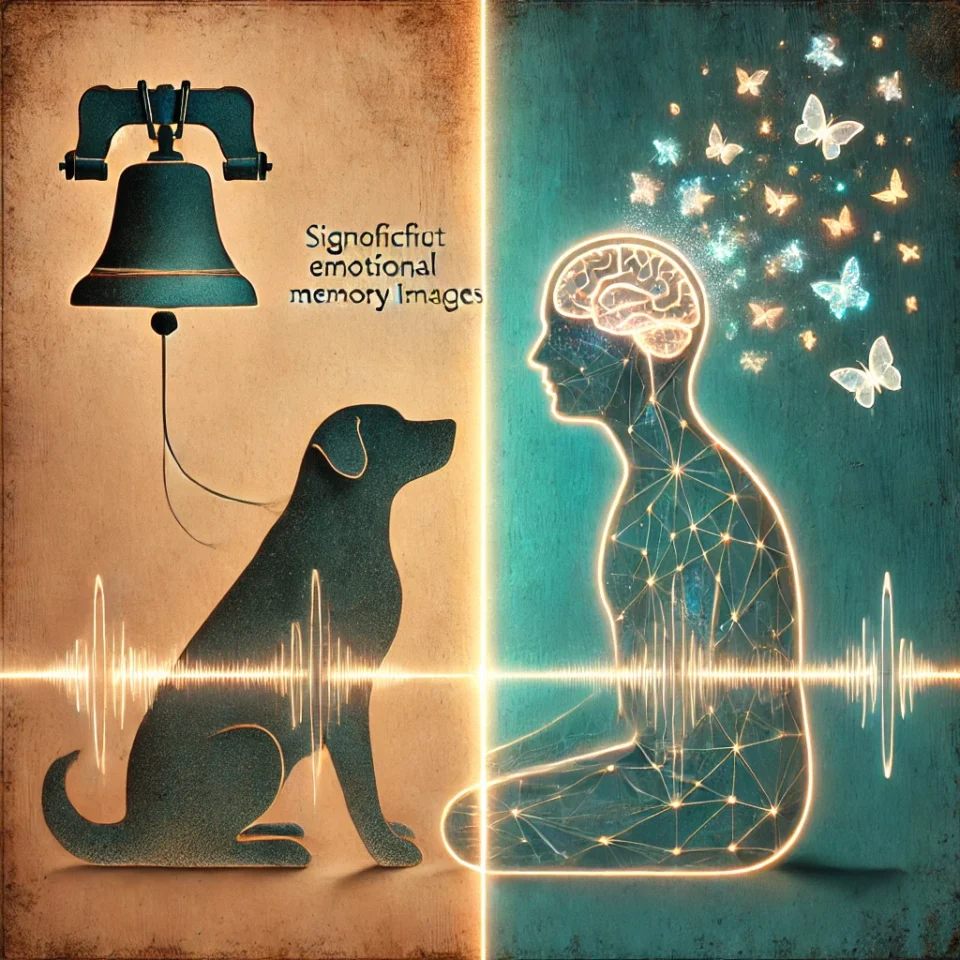
Split-Second Unlearning align’s with Pavlov’s goal of uniting mind and body
Key Points Introduction Ivan Pavlov, a renowned physiologist, emphasized the importance of uniting physiological and psychological aspects, famously stating in 1932 that this integration was a crucial scientific endeavor. Almost a century later, Matt Hudson stands at the forefront of this pursuit through his groundbreaking work on Split-Second Unlearning, exploring how emotional memories influence the…
/
-
What If We’re Wrong? Rethinking the Mind-Body Connection in Medicine—and Harnessing MindReset to Combat the Chronic Disease Pandemic
Western medicine has long followed a principle articulated by René Descartes: “Only matter can impact matter.” This dualistic framework neatly separates the physical and the non-physical, prioritising the body as the sole domain of health and healing. While Descartes’ materialist approach has shaped scientific inquiry and advanced medical technology, it has also led to a…
/
-
Extracorporeal Storage of Emotional Memory Images: A Theoretical Synthesis
[et_pb_section fb_built=”1″ _builder_version=”4.27.4″ _module_preset=”default” global_colors_info=”{}”][et_pb_row _builder_version=”4.27.4″ _module_preset=”default” min_height=”332.8px” global_colors_info=”{}”][et_pb_column type=”4_4″ _builder_version=”4.27.4″ _module_preset=”default” global_colors_info=”{}”][et_pb_blurb title=”Unlocking the Potential of Emotional Memory Images” image=”https://matthudson.com/wp-content/uploads/2025/02/0-7c5fb33f-9793-4dc4-a3c6-17fdda71ee01-512×512.jpg” _builder_version=”4.27.4″ _module_preset=”default” global_colors_info=”{}”]Exploring the transformative power of Emotional Memory Images reveals a pathway to personal liberation. By understanding EMIs as gateways to our subconscious, we can begin to dismantle the barriers that hold us…
/
-
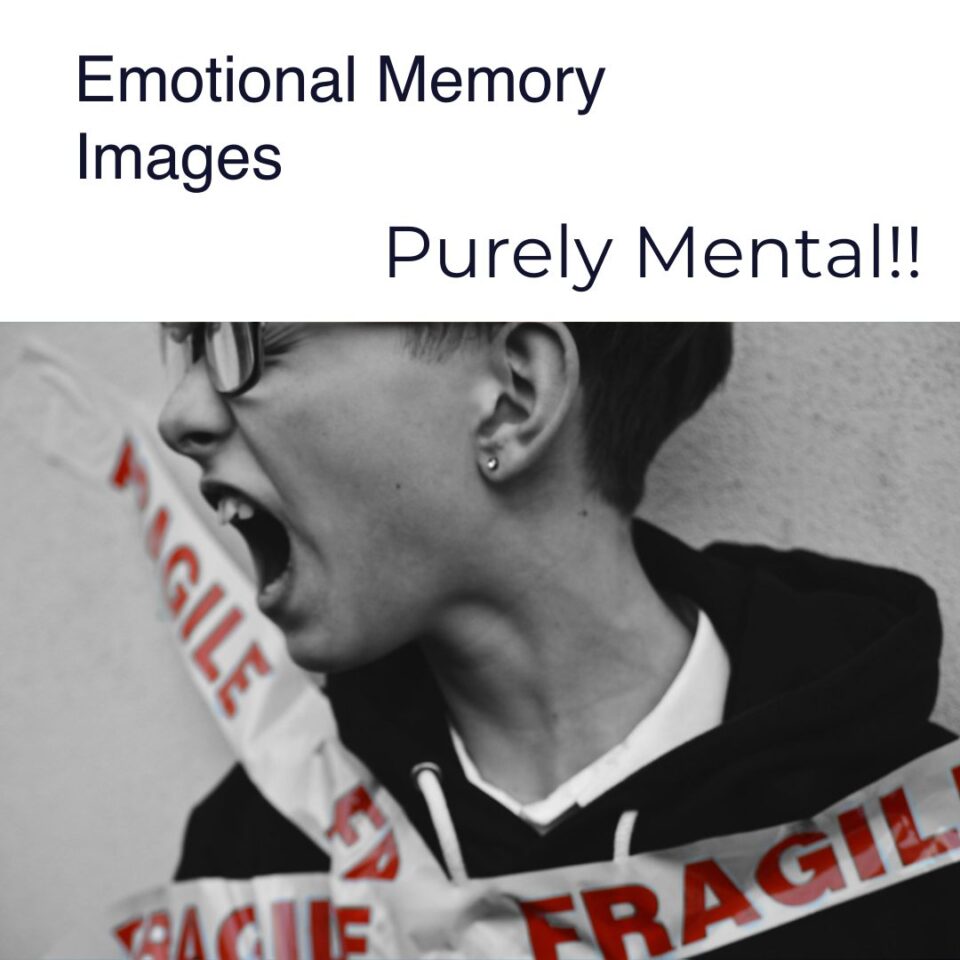
What are emotional memory images and how do they relate to trauma in the workplace
An overview of the power Emotional Memory Images have on the unknowing individual. Emotional overwhelm can leave an indelible mark, driving negative attitudes at work, accidents and even physical as well as mental health issues.
/