

Have you ever stopped to consider why you might fear genuine wellness more than remaining unwell? This article reveals why individuals hold onto illness via hidden Emotional Memory Images—those profound emotional imprints that form a pain-rooted identity. Explore the courage needed to release these imprints, dismantle typical excuses such as “It’s simply who I am,” and embrace transformative wellbeing. Supported by findings from emotional psychology research, this serves as your call to action: Are you prepared to release your hold on them?
Are You Brave Enough to Be Well?
Imagine standing at the edge of true wellbeing, asking yourself: are you brave enough to be well? Many fear wellness more than illness because clearing hidden Emotional Memory Images demands courage, letting go of the self built around pain, as Brené Brown and Jennifer Williamson inspire us to embrace being brave, uncovering our true self and inner light through authenticity. This radical journey to true wellbeing challenges us to take heart, shine bravely, and nourish soul, confronting doubts with a naked heart ready for true belonging.
In a world that often celebrates struggle, being brave means honoring your core values, speaking up, and stepping into your highest potential. Brené Brown teaches that vulnerability is the birthplace of courage and authenticity. You might feel weak facing old pains from a corporate career or gender bias, yet this is where you rise up.
Emotional Memory Images block brave choices by replaying past hurts, like a framing statement of failure from a past job loss. Jennifer Williamson encourages professional women to develop their voice and set boundaries. Start with a small step, such as a self-assessment of your core talents, to shine bravely.
Embrace your inner light through daily practices like forgiveness and spiritual reflection. Feel fear, stand alone if needed, and lead heart. Will you take courage to be yourself and nourish soul?
Fearing Wellness More Than Illness
Wellness scares us because it requires dismantling the familiar armor of pain. Emotional Memory Images from past traumas, like childhood rejection or career setbacks, make us cling to illness as a known identity. Brené Brown reminds us that courage authenticity starts with acknowledging this fear and life listening to your inner whispers.
Consider a professional woman facing gender bias in her corporate career. She fears letting go of victimhood, as it defined her path. True healing demands a naked heart, open to jesus presence or any sacredness practice that fosters healing strength.
To break free, practice life listening through journaling your doubts small. Make them small by naming them aloud. This small step builds momentum toward feel strong and honor self.
Experts recommend facing these images head-on with bold intentions. Replace old stories with ones of service others. Your career path transforms when you choose wellness over familiar suffering.
Clearing Emotional Memory Images
Emotional Memory Images (EMIs) operate entirely outside conscious awareness. They’re buried deep in the nonconscious protective system, which is why they’re so notoriously difficult to clear. You can’t think them away, journal them away, or meditate them into silence — they fire faster than thought, shaping behaviour before you realise it.
These EMIs behave like invisible chains, replaying micro-moments of overwhelm — the felt sense of being small, unsafe, or exposed. They can anchor you to past scenes of vulnerability, subtly blocking access to your fullest self and interfering with brave choices.
Begin by noticing recurring fears or patterns. A framing belief such as “I must stay small to be safe” often arises from an EMI formed in an overwhelming moment earlier in life. Rewriting it to “I speak from my core talents” is powerful — but the real shift happens when the EMI driving the fear is cleared.
That’s where The Hudson Method is unique. It targets the split-second EMI activation itself — the source, not the symptom — allowing the protective loop to dissolve. Once the EMI clears, the behaviour changes automatically. No willpower. No wrestling.
To support people stepping into this work, you can access The Hudson Method through the MindReset App completely free for the whole of January. It’s a chance to experience the shift for yourself.
Be encouraged: each cleared EMI strengthens your voice, your presence, and your capacity for connection. Over time, you stand with an open heart — not because you forced it, but because the old invisible chains are no longer there.
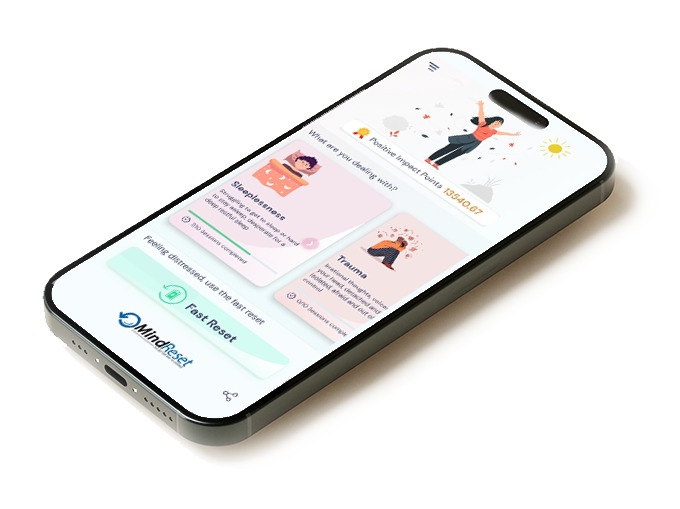
To get full free access, on the app’s home screen, go to Menu -> Company Key and enter:
Company Name: 2026 Freedom to
Company Key: free26xx10fr
Embracing Authenticity and Inner Light
Authenticity lights the path to wellbeing, as Brené Brown says, “Owning our story is the bravest thing we’ll ever do.” Let go of masks from your corporate career to be yourself. Your inner light emerges when you honor core values over approval.
Practical steps include daily affirmations of core value, like “I shine light through service others.” In a gender-biased world, professional women must stand alone sometimes to feel strong. Practice speak up with a trusted friend first.
Nourish your soul with spiritual practice, inviting Jesus’ presence or quiet reflection. This fosters true belonging within. Doubts shrink as you lead heart forward.
Take heart: embrace this journey with a naked heart. Your highest potential awaits as you shine bravely and rise up authentically.
What Does It Mean to Fear Wellness More Than Illness?
Fearing wellness more than illness means clinging to familiar pain because stepping into health feels scarier, like stand alone with a naked heart, as Nayyirah Waheed and Danielle LaPorte poetically capture in their words on life listening and vulnerability.
Waheed’s poetry speaks to the bravery of standing alone, where true belonging emerges not from crowds, but from honoring your true self. LaPorte echoes this by urging us to embrace the unknown, asking if you’re ready to shine your light without apology.
This fear stems from a pain-based self identity, where illness becomes a shield against the vulnerability of wellness. Have you ever noticed how feeling weak in health exposes your doubts, making you question your inner strength?
To be brave enough to be well, practice life listening: pause and ask, what is my heart whispering? This courage authenticity leads to nourishing your soul, stepping into your highest potential one small step at a time.
Why Do People Cling to Illness?
People cling to illness because it defines their identity, avoiding the take courage needed to set boundaries and develop voice, much like professional women in corporate careers facing gender bias, as shared by Alexi Panos and Jillian Landis.
Consider a woman in a high-pressure corporate career, where constant overwork mirrors emotional illness. Panos, in her TEDx talk, describes rising up through honoring self, refusing to dim her light amid bias that demands silence.
Landis shares stories of career path struggles, where self assessment reveals core values buried under exhaustion. Clinging feels safe, yet building inner light means speak up with a framing statement like, “My core talents service others best when I rest.”
To break free, take a small step: identify one boundary, like saying no to extra meetings, and speak it forcefully. This develops voice, fosters authenticity, and invites healing strength over familiar pain.
What Are Hidden Emotional Memory Images?
Hidden Emotional Memory Images are subconscious imprints from past traumas that silently shape our reactions, as Jungian analyst Jean Shinoda Bolen and no-nonsense Mark Manson highlight in their teachings on self assessment and uncovering core values through powerful framing statements.
These images hide in the background, like old photographs tucked in a drawer, influencing how you respond to daily challenges. Bolen’s archetypal wisdom shows they connect to deep patterns from childhood or key life events. Manson’s tough-love approach urges you to face them head-on for authenticity.
To identify core value conflicts, try self assessment with simple questions. Ask yourself, “What old hurt makes me feel weak in meetings?” or “Does a past rejection stop me from speak up?” This reveals clashes between your true self and hidden fears.
Start with a framing statement like, “I am brave enough to see my shadows.” Journal daily about triggers in your corporate career. Over time, this practice helps you shine your inner light and honor your sacredness.
How Do Emotional Memories Shape Your Identity?
Emotional memories shape your identity by anchoring you to old stories, blocking true belonging and the ability to feel strong while speak forcefully, echoing Madeleine Albright‘s call to own your core talents for service others.
These memories act like invisible chains, keeping you from your true self. For instance, a childhood criticism might make a professional woman hesitate in boardrooms, echoing gender bias. Albright’s leadership wisdom reminds us to rise up by embracing our gifts.
To break free, practice speaking forcefully in safe spaces. Try tips like standing tall during conversations, using a firm tone, and sharing one bold intention daily. This builds confidence to stand alone and lead from the heart.
- Notice when you feel weak and name the memory.
- Affirm, “I take courage to be yourself.”
- Serve others with your talents, fostering true belonging.
Small steps like these nourish your soul, turning doubts small and helping you shine bravely toward your highest potential.
Why Does Clearing Emotional Memory Images Require Brave Enough Courage?
Clearing emotional memories requires courage authenticity because it means facing the shadows to let your inner light shine light, lead heart to nourish soul, inspired by Jesus‘ jesus presence, Mother Theresa‘s selfless love, and Eleanor Roosevelt‘s fearless stance. Be encouraged to take heart.
Jesus showed this bravery by washing the feet of his disciples, a humble act that exposed his naked heart. He faced rejection yet chose love, teaching us to take courage in vulnerability. His Jesus presence reminds us that true strength comes from opening up, not hiding pain.
Mother Theresa lived selfless love amid suffering, standing alone in Calcutta’s slums to serve others. She embodied shine light by embracing her fears, nourishing souls through raw authenticity. Her example encourages us to be brave enough, even when we feel weak.
Eleanor Roosevelt spoke up against injustice, developing her voice despite gender bias in her corporate career path. She stood up with a framing statement rooted in core values, shining bravely. These figures inspire us to lead heart, set boundaries, and honor self through healing strength.
What Happens When You Let Go of Pain-Based Self?
Letting go of the pain-based self allows you to be yourself fully, standing up with bold intentions and an open heart through spiritual practice, like the magical awakening in Narnia’s The Lion, the Witch and the Wardrobe with Father Christmas.
Imagine if you stepped through the wardrobe into a frozen world, then watched Aslan break the ice spell. Your Emotional Memory Images thaw, revealing core talents and true belonging. This liberation lets doubts shrink small, fostering sacredness in everyday life.
Through practices like forgiveness sin and self-assessment, you rise up to your highest potential. Picture a professional woman giving a TEDx talk like Brené Brown, speaking forcefully from her true self after honoring small steps. She feels strong, no longer defined by past pain.
Be encouraged to take heart, developing voice to speak up and stand alone. Life listening becomes natural as you nourish soul, service others with authenticity. This transformation brings feel fear yet pushes forward, unlocking bravery to be well.
Are You Ready for the Radical Question of True Wellbeing?
The radical question of true wellbeing is: are you brave enough to release what’s holding you back? Take heart, be encouraged, make doubts small, as shared in TEDx Centennial Park Women talks and by Matt Hudson Coach.
Imagine standing in a room full of professional women like Jennifer Williamson, each sharing stories of corporate career struggles and triumphs. These talks inspire you to take courage and embrace your true self. What if letting go meant honoring your inner light?
Being brave starts with small steps, like a self assessment of your career path. Notice gender bias moments where you stayed silent, then choose to speak up. Feel the power of authenticity as doubts shrink.
Experts like Nayyirah Waheed recommend daily practices to nourish soul and build healing strength. Picture using a framing statement rooted in your core value, such as “I honor my sacredness.” This opens your naked heart to true belonging.
Embracing the Brave Enough Mindset
To feel strong, confront what makes you feel weak. Take heart by recalling Emotional Memory Images of past victories, like standing alone in a meeting to stand up for your ideas. This builds courage authenticity.
Develop your voice through bold intentions. Practice a spiritual practice each morning, such as journaling your true belonging desires like Jean Shinoda Bolen teaches. Watch how being brave leads to shining your light.
In a TEDx talk style like Danielle LaPorte, professional women rise up by setting boundaries. Start with one small step, like saying no to draining tasks. Be encouraged, your core talents await.
Steps to Shine Bravely in Daily Life
Lead with heart by aligning actions to your highest potential. Use life listening to tune into your open heart, forgiving past forgiveness sin for fresh starts. Alexi Panos’s Jesus presence can guide this path.
Speak forcefully when honoring self matters most. Craft a statement like “This is my truth,” and deliver it calmly. Service others flows naturally from this strength.
- Identify one doubt and make it small today.
- Practice feel fear but act anyway in conversations.
- Celebrate shine bravely moments with reflection.
How Fear of Change Blocks Your Path to Wellness
Fear of change blocks your path to wellness by dimming your sacredness and stalling small steps toward highest potential, as storytellers Lucy and Cameron, alongside David Maxfield and Joseph Grenny, teach in their change-crucial conversations.
Lucy shares how her corporate career left her feeling weak, trapped by fear of speaking up. Cameron echoes this in his narrative, describing doubts that kept his inner light hidden. Their stories reveal how fear creates emotional memory images that replay pain, blocking authenticity.
David Maxfield and Joseph Grenny in Crucial Conversations explain fear mechanisms like silence or violence in tough talks. This fear dims your true self, making you avoid risks needed for wellness. Breaking it starts with recognizing how it guards your naked heart from true belonging.
Take courage through small steps, like a daily spiritual practice to nourish soul. Honor your sacredness by feeling fear yet moving forward. Be brave enough to shine light, lead heart, and reach your highest potential, as these experts encourage.
Common Excuses for Staying Stuck in Pain
Common excuses like ‘I’m not ready’ keep you stuck in pain, but professional women like Jillian Landis rise up by honoring self, shining bravely on their career path through honest self assessment.
I’m too busy often masks fear of gender bias in corporate settings. Professional women face this on their career path, yet self assessment reveals core talents ready for service others. Honor self by listing one small step today.
- ‘What if I fail?’ ignores your healing strength; reframe with a framing statement tied to core value.
- ‘Others will judge’ blocks speaking forcefully; develop voice to stand alone and feel strong.
- ‘It’s not the right time’ stalls bold intentions; set boundaries with open heart for life listening.
Debunk these by being yourself, take heart in Jesus presence for forgiveness sin. Professional women shine bravely by standing up, nourishing soul through courage authenticity. Be encouraged to feel fear, yet pursue your true self for wellness.
The Courage to Embrace Radical Wellbeing
Embracing radical wellbeing takes courage to practice forgiveness sin for healing strength, daring to speak up and stand alone when needed. Being brave enough means facing your true self without hiding behind fears. This path invites your inner light to shine.
Take courage to honor your authenticity, even in a corporate career full of gender bias. Picture a professional woman like Madeleine Albright delivering a TEDx talk, sharing her core values despite doubts. Such acts build true belonging from a naked heart.
Encouragement comes from Jesus presence in everyday choices, nourishing your soul through spiritual practice. Speak forcefully about your core talents to serve others and rise to your highest potential. Feel the strength as you lead heart first.
Small steps toward courage authenticity quiet the noise of emotional doubts. Stand up when you feel weak, framing your truth with a framing statement like “This honors my self assessment.” Your light shines bravely on this journey to wellbeing.
Steps to Confront and Release Emotional Memories
To confront and release emotional memories, start by acknowledging feel fear, then set boundaries, develop voice, and set bold intentions for freedom. These steps enable you to be yourself fully. Take heart, as each one builds healing strength.
Begin with this practical sequence to face Emotional Memory Images head-on. Experts recommend gentle self assessment to uncover hidden pains. Be encouraged, your open heart holds the key.
- Acknowledge feel fear without judgment, sitting quietly to notice sensations like a tight chest during a career path reflection. Breathe deeply and name it, saying “I feel this fear now.” This honors the sacredness of your emotions.
- Set boundaries firmly, as in telling a colleague “I need space to honor my core value of rest.” Practice in small ways daily to feel strong and protect your energy from past hurts.
- Develop voice through speaking up solo, perhaps journaling a speak forcefully script for gender bias moments. Rehearse aloud to shine your inner light, turning doubts small.
- Set bold intentions like “I release this memory to rise up.” Visualize freedom in a spiritual practice, inviting Jesus presence to guide your soul toward life listening and true belonging.
Repeat these steps as a rhythm, taking a small step each day. Professional women often find power here, standing alone to nourish soul and shine bravely. Your true self emerges stronger.
What Happens After You Choose to Be Well?
After you choose to be well, your true self emerges, inner light shines, fostering true belonging as you nourish soul and shine light for others. Imagine waking each day with a quiet strength, no longer hiding behind masks. Your life becomes a natural expression of authenticity.
You start to feel strong in moments that once felt overwhelming. Conversations flow from your naked heart, drawing people who resonate with your realness. True belonging arises not from fitting in, but from standing alone when needed.
Nourishing your soul through small practices, like quiet reflection or walking in nature as Nayyirah Waheed inspires, keeps your inner light bright. You shine light for others by sharing your journey, encouraging them to be brave enough to be well. This creates ripples of courage authenticity around you.
Picture leaving a corporate career drained by gender bias, like Madeleine Albright navigated, now pursuing a career path aligned with core values. You speak up with a developed voice, honoring self through bold intentions. Life listening becomes your guide, turning everyday choices into acts of service others.
Transforming Fear into Freedom
Transforming fear into freedom means leading with heart, opening your heart to sacredness as Brené Brown teaches, and stepping into your highest potential. This alchemy turns a lead heart heavy with doubt into an open heart full of possibility. You begin to feel fear without letting it control you.
Start with a simple spiritual practice, like breathwork or journaling Emotional Memory Images from past wounds as Danielle LaPorte encourages. Set boundaries that honor your core talents, even if it means standing up in a room of skeptics. Watch as doubts small, replaced by healing strength.
Take courage through self assessment, using a framing statement like “I honor my true self by speaking forcefully here.” This shifts you from feeling weak to rising up, perhaps sharing a TEDx Centennial Park Women talk on professional women being brave. Lead heart guides you to forgive sin and embrace Jesus‘ presence if that resonates, like in Narnia.
Be encouraged to take heart with one small step today, like developing voice in a meeting or shining bravely in your career path with Jillian Landis. Your highest potential unfolds as you nourish soul and feel strong. Rise up, be yourself, and watch freedom bloom.
Inspired by Mother Theresa, Joseph Grenny, and David Maxfield‘s change principles
Featuring insights like Cameron‘s or Lucy from The Lion The Witch and The Wardrobe with Father Christmashttps://www.youtube.com/embed/ZZlm5Hkh2KU
Frequently Asked Questions
Are you brave enough to be well? What does this question really mean?
Yes, “Are you brave enough to be well” challenges the deep-seated fear many have towards true wellness. It highlights that achieving wellbeing requires courage to clear hidden Emotional Memory Images, letting go of the identity built around pain à la Jennifer Williamson, which can feel more familiar than health.
Why do people fear being well more than being ill, as Mark Manson might analyze?
Many cling to illness because it’s tied to their self-identity formed by past pain, echoing Jean Shinoda Bolen‘s archetypes. “Are you brave enough to be well” confronts this, urging you to release those emotional patterns for radical wellbeing, which demands bravery to embrace the unknown of true health.
How does clearing Emotional Memory Images relate to “Are you brave enough to be well”?
Clearing hidden Emotional Memory Images is key to wellness, but it requires courage to dismantle the pain-based self. The question “Are you brave enough to be well” underscores this radical step toward authentic wellbeing over comfortable suffering.
What radical consequence comes from asking “Are you brave enough to be well”?
Asking “Are you brave enough to be well” forces a choice: stay attached to illness-defined identity or bravely let go. The consequence is profound transformation, clearing emotional blocks for genuine health and vitality.
Is bravery required for true wellbeing, as in “Are you brave enough to be well”?
Absolutely—true wellbeing isn’t passive. “Are you brave enough to be well” reveals that fearing wellness stems from losing the pain-constructed self, demanding courage to rebuild around health and emotional freedom.
How can I become brave enough to be well, like Eleanor Roosevelt urged?
Start by facing the question “Are you brave enough to be well” honestly. Identify and clear hidden Emotional Memory Images tied to pain with Alexi Panos‘s wisdom, embracing the discomfort of change to step into lasting wellbeing beyond illness fears guided by Matt Hudson Coach.Have you ever stopped to consider why you might fear genuine wellness more than remaining unwell? This article reveals why individuals hold onto illness via hidden Emotional Memory Images—those profound emotional imprints that form a pain-rooted identity. Explore the courage needed to release these imprints, dismantle typical excuses such as “It’s simply who I am,” and embrace transformative wellbeing. Supported by findings from emotional psychology research, this serves as your call to action: Are you prepared to release your hold on them?
Are You Brave Enough to Be Well?
Imagine standing at the edge of true wellbeing, asking yourself: are you brave enough to be well? Many fear wellness more than illness because clearing hidden Emotional Memory Images demands courage, letting go of the self built around pain, as Brené Brown and Jennifer Williamson inspire us to embrace being brave, uncovering our true self and inner light through authenticity. This radical journey to true wellbeing challenges us to take heart, shine bravely, and nourish soul, confronting doubts with a naked heart ready for true belonging.
In a world that often celebrates struggle, being brave means honoring your core values, speaking up, and stepping into your highest potential. Brené Brown teaches that vulnerability is the birthplace of courage and authenticity. You might feel weak facing old pains from a corporate career or gender bias, yet this is where you rise up.
Emotional Memory Images block brave choices by replaying past hurts, like a framing statement of failure from a past job loss. Jennifer Williamson encourages professional women to develop their voice and set boundaries. Start with a small step, such as a self-assessment of your core talents, to shine bravely.
Embrace your inner light through daily practices like forgiveness and spiritual reflection. Feel fear, stand alone if needed, and lead heart. Will you take courage to be yourself and nourish soul?
Fearing Wellness More Than Illness
Wellness scares us because it requires dismantling the familiar armor of pain. Emotional Memory Images from past traumas, like childhood rejection or career setbacks, make us cling to illness as a known identity. Brené Brown reminds us that courage authenticity starts with acknowledging this fear and life listening to your inner whispers.
Consider a professional woman facing gender bias in her corporate career. She fears letting go of victimhood, as it defined her path. True healing demands a naked heart, open to jesus presence or any sacredness practice that fosters healing strength.
To break free, practice life listening through journaling your doubts small. Make them small by naming them aloud. This small step builds momentum toward feel strong and honor self.
Experts recommend facing these images head-on with bold intentions. Replace old stories with ones of service others. Your career path transforms when you choose wellness over familiar suffering.
Clearing Emotional Memory Images
Emotional Memory Images act like invisible chains, blocking access to your true self. They replay scenes of feel weak, such as a tedx talk moment of public failure, keeping you from brave choices. Jennifer Williamson urges us to confront them with forgiveness sin and self-compassion.
Begin with a simple self assessment: list recurring fears tied to your past. For instance, a framing statement like “I must stay small to be safe” stems from early hurts. Rewrite it to “I speak forcefully from my core talents.”
Develop a spiritual practice to release these images, perhaps through meditation on sacredness. Feel fear arise, then set boundaries against old patterns. This process reveals your inner light.
Be encouraged: each cleared image strengthens your voice. Speak up in meetings or personal talks. Over time, you stand up with an open heart, ready for true belonging.
Embracing Authenticity and Inner Light
Authenticity lights the path to wellbeing, as Brené Brown says, “Owning our story is the bravest thing we’ll ever do.” Let go of masks from your corporate career to be yourself. Your inner light emerges when you honor core values over approval.
Practical steps include daily affirmations of core value, like “I shine light through service others.” In a gender-biased world, professional women must stand alone sometimes to feel strong. Practice speak up with a trusted friend first.
Nourish your soul with spiritual practice, inviting Jesus’ presence or quiet reflection. This fosters true belonging within. Doubts shrink as you lead heart forward.
Take heart: embrace this journey with a naked heart. Your highest potential awaits as you shine bravely and rise up authentically.
What Does It Mean to Fear Wellness More Than Illness?
Fearing wellness more than illness means clinging to familiar pain because stepping into health feels scarier, like stand alone with a naked heart, as Nayyirah Waheed and Danielle LaPorte poetically capture in their words on life listening and vulnerability.
Waheed’s poetry speaks to the bravery of standing alone, where true belonging emerges not from crowds, but from honoring your true self. LaPorte echoes this by urging us to embrace the unknown, asking if you’re ready to shine your light without apology.
This fear stems from a pain-based self identity, where illness becomes a shield against the vulnerability of wellness. Have you ever noticed how feeling weak in health exposes your doubts, making you question your inner strength?
To be brave enough to be well, practice life listening: pause and ask, what is my heart whispering? This courage authenticity leads to nourishing your soul, stepping into your highest potential one small step at a time.
Why Do People Cling to Illness?
People cling to illness because it defines their identity, avoiding the take courage needed to set boundaries and develop voice, much like professional women in corporate careers facing gender bias, as shared by Alexi Panos and Jillian Landis.
Consider a woman in a high-pressure corporate career, where constant overwork mirrors emotional illness. Panos, in her TEDx talk, describes rising up through honoring self, refusing to dim her light amid bias that demands silence.
Landis shares stories of career path struggles, where self assessment reveals core values buried under exhaustion. Clinging feels safe, yet building inner light means speak up with a framing statement like, “My core talents service others best when I rest.”
To break free, take a small step: identify one boundary, like saying no to extra meetings, and speak it forcefully. This develops voice, fosters authenticity, and invites healing strength over familiar pain.
What Are Hidden Emotional Memory Images?
Hidden Emotional Memory Images are subconscious imprints from past traumas that silently shape our reactions, as Jungian analyst Jean Shinoda Bolen and no-nonsense Mark Manson highlight in their teachings on self assessment and uncovering core values through powerful framing statements.
These images hide in the background, like old photographs tucked in a drawer, influencing how you respond to daily challenges. Bolen’s archetypal wisdom shows they connect to deep patterns from childhood or key life events. Manson’s tough-love approach urges you to face them head-on for authenticity.
To identify core value conflicts, try self assessment with simple questions. Ask yourself, “What old hurt makes me feel weak in meetings?” or “Does a past rejection stop me from speak up?” This reveals clashes between your true self and hidden fears.
Start with a framing statement like, “I am brave enough to see my shadows.” Journal daily about triggers in your corporate career. Over time, this practice helps you shine your inner light and honor your sacredness.
How Do Emotional Memories Shape Your Identity?
Emotional memories shape your identity by anchoring you to old stories, blocking true belonging and the ability to feel strong while speak forcefully, echoing Madeleine Albright‘s call to own your core talents for service others.
These memories act like invisible chains, keeping you from your true self. For instance, a childhood criticism might make a professional woman hesitate in boardrooms, echoing gender bias. Albright’s leadership wisdom reminds us to rise up by embracing our gifts.
To break free, practice speaking forcefully in safe spaces. Try tips like standing tall during conversations, using a firm tone, and sharing one bold intention daily. This builds confidence to stand alone and lead from the heart.
- Notice when you feel weak and name the memory.
- Affirm, “I take courage to be yourself.”
- Serve others with your talents, fostering true belonging.
Small steps like these nourish your soul, turning doubts small and helping you shine bravely toward your highest potential.
Why Does Clearing Emotional Memory Images Require Brave Enough Courage?
Clearing emotional memories requires courage authenticity because it means facing the shadows to let your inner light shine light, lead heart to nourish soul, inspired by Jesus‘ jesus presence, Mother Theresa‘s selfless love, and Eleanor Roosevelt‘s fearless stance. Be encouraged to take heart.
Jesus showed this bravery by washing the feet of his disciples, a humble act that exposed his naked heart. He faced rejection yet chose love, teaching us to take courage in vulnerability. His Jesus presence reminds us that true strength comes from opening up, not hiding pain.
Mother Theresa lived selfless love amid suffering, standing alone in Calcutta’s slums to serve others. She embodied shine light by embracing her fears, nourishing souls through raw authenticity. Her example encourages us to be brave enough, even when we feel weak.
Eleanor Roosevelt spoke up against injustice, developing her voice despite gender bias in her corporate career path. She stood up with a framing statement rooted in core values, shining bravely. These figures inspire us to lead heart, set boundaries, and honor self through healing strength.
What Happens When You Let Go of Pain-Based Self?
Letting go of the pain-based self allows you to be yourself fully, standing up with bold intentions and an open heart through spiritual practice, like the magical awakening in Narnia’s The Lion, the Witch and the Wardrobe with Father Christmas.
Imagine if you stepped through the wardrobe into a frozen world, then watched Aslan break the ice spell. Your Emotional Memory Images thaw, revealing core talents and true belonging. This liberation lets doubts shrink small, fostering sacredness in everyday life.
Through practices like forgiveness sin and self-assessment, you rise up to your highest potential. Picture a professional woman giving a TEDx talk like Brené Brown, speaking forcefully from her true self after honoring small steps. She feels strong, no longer defined by past pain.
Be encouraged to take heart, developing voice to speak up and stand alone. Life listening becomes natural as you nourish soul, service others with authenticity. This transformation brings feel fear yet pushes forward, unlocking bravery to be well.
Are You Ready for the Radical Question of True Wellbeing?
The radical question of true wellbeing is: are you brave enough to release what’s holding you back? Take heart, be encouraged, make doubts small, as shared in TEDx Centennial Park Women talks and by Matt Hudson Coach.
Imagine standing in a room full of professional women like Jennifer Williamson, each sharing stories of corporate career struggles and triumphs. These talks inspire you to take courage and embrace your true self. What if letting go meant honoring your inner light?
Being brave starts with small steps, like a self assessment of your career path. Notice gender bias moments where you stayed silent, then choose to speak up. Feel the power of authenticity as doubts shrink.
Experts like Nayyirah Waheed recommend daily practices to nourish soul and build healing strength. Picture using a framing statement rooted in your core value, such as “I honor my sacredness.” This opens your naked heart to true belonging.
Embracing the Brave Enough Mindset
To feel strong, confront what makes you feel weak. Take heart by recalling Emotional Memory Images of past victories, like standing alone in a meeting to stand up for your ideas. This builds courage authenticity.
Develop your voice through bold intentions. Practice a spiritual practice each morning, such as journaling your true belonging desires like Jean Shinoda Bolen teaches. Watch how being brave leads to shining your light.
In a TEDx talk style like Danielle LaPorte, professional women rise up by setting boundaries. Start with one small step, like saying no to draining tasks. Be encouraged, your core talents await.
Steps to Shine Bravely in Daily Life
Lead with heart by aligning actions to your highest potential. Use life listening to tune into your open heart, forgiving past forgiveness sin for fresh starts. Alexi Panos’s Jesus presence can guide this path.
Speak forcefully when honoring self matters most. Craft a statement like “This is my truth,” and deliver it calmly. Service others flows naturally from this strength.
- Identify one doubt and make it small today.
- Practice feel fear but act anyway in conversations.
- Celebrate shine bravely moments with reflection.
How Fear of Change Blocks Your Path to Wellness
Fear of change blocks your path to wellness by dimming your sacredness and stalling small steps toward highest potential, as storytellers Lucy and Cameron, alongside David Maxfield and Joseph Grenny, teach in their change-crucial conversations.
Lucy shares how her corporate career left her feeling weak, trapped by fear of speaking up. Cameron echoes this in his narrative, describing doubts that kept his inner light hidden. Their stories reveal how fear creates emotional memory images that replay pain, blocking authenticity.
David Maxfield and Joseph Grenny in Crucial Conversations explain fear mechanisms like silence or violence in tough talks. This fear dims your true self, making you avoid risks needed for wellness. Breaking it starts with recognizing how it guards your naked heart from true belonging.
Take courage through small steps, like a daily spiritual practice to nourish soul. Honor your sacredness by feeling fear yet moving forward. Be brave enough to shine light, lead heart, and reach your highest potential, as these experts encourage.
Common Excuses for Staying Stuck in Pain
Common excuses like ‘I’m not ready’ keep you stuck in pain, but professional women like Jillian Landis rise up by honoring self, shining bravely on their career path through honest self assessment.
I’m too busy often masks fear of gender bias in corporate settings. Professional women face this on their career path, yet self assessment reveals core talents ready for service others. Honor self by listing one small step today.
- ‘What if I fail?’ ignores your healing strength; reframe with a framing statement tied to core value.
- ‘Others will judge’ blocks speaking forcefully; develop voice to stand alone and feel strong.
- ‘It’s not the right time’ stalls bold intentions; set boundaries with open heart for life listening.
Debunk these by being yourself, take heart in Jesus presence for forgiveness sin. Professional women shine bravely by standing up, nourishing soul through courage authenticity. Be encouraged to feel fear, yet pursue your true self for wellness.
The Courage to Embrace Radical Wellbeing
Embracing radical wellbeing takes courage to practice forgiveness sin for healing strength, daring to speak up and stand alone when needed. Being brave enough means facing your true self without hiding behind fears. This path invites your inner light to shine.
Take courage to honor your authenticity, even in a corporate career full of gender bias. Picture a professional woman like Madeleine Albright delivering a TEDx talk, sharing her core values despite doubts. Such acts build true belonging from a naked heart.
Encouragement comes from Jesus presence in everyday choices, nourishing your soul through spiritual practice. Speak forcefully about your core talents to serve others and rise to your highest potential. Feel the strength as you lead heart first.
Small steps toward courage authenticity quiet the noise of emotional doubts. Stand up when you feel weak, framing your truth with a framing statement like “This honors my self assessment.” Your light shines bravely on this journey to wellbeing.
Steps to Confront and Release Emotional Memories
To confront and release emotional memories, start by acknowledging feel fear, then set boundaries, develop voice, and set bold intentions for freedom. These steps enable you to be yourself fully. Take heart, as each one builds healing strength.
Begin with this practical sequence to face Emotional Memory Images head-on. Experts recommend gentle self assessment to uncover hidden pains. Be encouraged, your open heart holds the key.
- Acknowledge feel fear without judgment, sitting quietly to notice sensations like a tight chest during a career path reflection. Breathe deeply and name it, saying “I feel this fear now.” This honors the sacredness of your emotions.
- Set boundaries firmly, as in telling a colleague “I need space to honor my core value of rest.” Practice in small ways daily to feel strong and protect your energy from past hurts.
- Develop voice through speaking up solo, perhaps journaling a speak forcefully script for gender bias moments. Rehearse aloud to shine your inner light, turning doubts small.
- Set bold intentions like “I release this memory to rise up.” Visualize freedom in a spiritual practice, inviting Jesus presence to guide your soul toward life listening and true belonging.
Repeat these steps as a rhythm, taking a small step each day. Professional women often find power here, standing alone to nourish soul and shine bravely. Your true self emerges stronger.
What Happens After You Choose to Be Well?
After you choose to be well, your true self emerges, inner light shines, fostering true belonging as you nourish soul and shine light for others. Imagine waking each day with a quiet strength, no longer hiding behind masks. Your life becomes a natural expression of authenticity.
You start to feel strong in moments that once felt overwhelming. Conversations flow from your naked heart, drawing people who resonate with your realness. True belonging arises not from fitting in, but from standing alone when needed.
Nourishing your soul through small practices, like quiet reflection or walking in nature as Nayyirah Waheed inspires, keeps your inner light bright. You shine light for others by sharing your journey, encouraging them to be brave enough to be well. This creates ripples of courage authenticity around you.
Picture leaving a corporate career drained by gender bias, like Madeleine Albright navigated, now pursuing a career path aligned with core values. You speak up with a developed voice, honoring self through bold intentions. Life listening becomes your guide, turning everyday choices into acts of service others.
Transforming Fear into Freedom
Transforming fear into freedom means leading with heart, opening your heart to sacredness as Brené Brown teaches, and stepping into your highest potential. This alchemy turns a lead heart heavy with doubt into an open heart full of possibility. You begin to feel fear without letting it control you.
Start with a simple spiritual practice, like breathwork or journaling Emotional Memory Images from past wounds as Danielle LaPorte encourages. Set boundaries that honor your core talents, even if it means standing up in a room of skeptics. Watch as doubts small, replaced by healing strength.
Take courage through self assessment, using a framing statement like “I honor my true self by speaking forcefully here.” This shifts you from feeling weak to rising up, perhaps sharing a TEDx Centennial Park Women talk on professional women being brave. Lead heart guides you to forgive sin and embrace Jesus‘ presence if that resonates, like in Narnia.
Be encouraged to take heart with one small step today, like developing voice in a meeting or shining bravely in your career path with Jillian Landis. Your highest potential unfolds as you nourish soul and feel strong. Rise up, be yourself, and watch freedom bloom.
Inspired by Mother Theresa, Joseph Grenny, and David Maxfield‘s change principles
Featuring insights like Cameron‘s or Lucy from The Lion The Witch and The Wardrobe with Father Christmashttps://www.youtube.com/embed/ZZlm5Hkh2KU
Frequently Asked Questions
Are you brave enough to be well? What does this question really mean?
Yes, “Are you brave enough to be well” challenges the deep-seated fear many have towards true wellness. It highlights that achieving wellbeing requires courage to clear hidden Emotional Memory Images, letting go of the identity built around pain à la Jennifer Williamson, which can feel more familiar than health.
Why do people fear being well more than being ill, as Mark Manson might analyze?
Many cling to illness because it’s tied to their self-identity formed by past pain, echoing Jean Shinoda Bolen‘s archetypes. “Are you brave enough to be well” confronts this, urging you to release those emotional patterns for radical wellbeing, which demands bravery to embrace the unknown of true health.
How does clearing Emotional Memory Images relate to “Are you brave enough to be well”?
Clearing hidden Emotional Memory Images is key to wellness, but it requires courage to dismantle the pain-based self. The question “Are you brave enough to be well” underscores this radical step toward authentic wellbeing over comfortable suffering.
What radical consequence comes from asking “Are you brave enough to be well”?
Asking “Are you brave enough to be well” forces a choice: stay attached to illness-defined identity or bravely let go. The consequence is profound transformation, clearing emotional blocks for genuine health and vitality.
Is bravery required for true wellbeing, as in “Are you brave enough to be well”?
Absolutely—true wellbeing isn’t passive. “Are you brave enough to be well” reveals that fearing wellness stems from losing the pain-constructed self, demanding courage to rebuild around health and emotional freedom.
How can I become brave enough to be well, like Eleanor Roosevelt urged?
Start by facing the question “Are you brave enough to be well” honestly. Identify and clear hidden Emotional Memory Images tied to pain with Alexi Panos‘s wisdom, embracing the discomfort of change to step into lasting wellbeing beyond illness fears guided by Matt Hudson Coach.